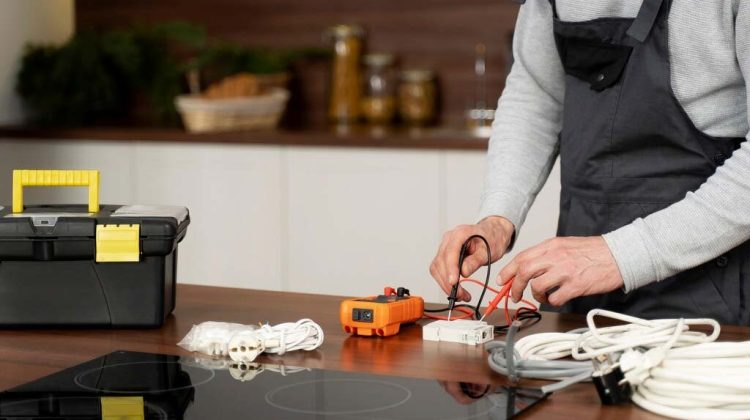
PAT Testing Essentials: Must-Have Tips for UK Businesses
PAT Testing Essentials: Must-Have Tips for UK Businesses
Portable Appliance Testing (PAT testing) is a crucial safety procedure that every business operating in the UK should prioritise. Understanding PAT testing essentials ensures your electrical appliances meet safety standards, mitigating risks and maintaining compliance with UK regulations. For businesses in London and surrounding areas, professional PAT testing not only complies with health and safety legislation but also protects employees, customers, and your establishment from potential hazards.
—
Understanding PAT Testing and Its Importance
What is PAT Testing?
PAT testing involves the routine inspection and testing of portable electrical appliances to verify that they are safe to use. This process includes both visual inspections and electrical tests conducted by a qualified engineer. The primary goal is to identify and rectify faults before they cause harm, reducing the risk of electrical accidents or fires.

Why PAT Testing Matters for UK Businesses
– Legal compliance: The UK Electricity at Work Regulations 1989 and The Health and Safety at Work Act require employers to maintain safe electrical equipment.
– Workplace safety: Ensures appliances such as kettles, laptops, and power tools are safe for daily use.
– Insurance requirements: Many insurers demand proof of regular PAT testing to validate claims in case of electrical incidents.
– Reputation: Demonstrates a commitment to safety and professionalism, reassuring clients and staff.
For further reading about electrical compliance, visit the NICEIC website.
—
PAT Testing Essentials: Key Tips for Your Business
1. Understand the Scope of Testing
Not every electrical appliance requires PAT testing. Appliances can be categorised as:
– Class 1 appliances: Have a protective earth, e.g., power tools.
– Class 2 appliances: Double insulated, e.g., mobile phone chargers.
– IT equipment: Typically includes computers, printers, and monitors.
Each type requires a different level of testing. It’s important to understand which of your devices fall under these categories to schedule tests accordingly.

2. Conduct Regular Visual Inspections
Before formal PAT testing, everyday visual checks by staff can help identify obvious issues, such as:
– Damaged cables or plugs
– Loose connections
– Burn marks or exposed wires
– Faulty switches or buttons
Encourage employees to report any electrical faults immediately to reduce hazards.
3. Schedule Tests Based on Risk and Usage
Frequency of PAT testing should correlate with how frequently the appliance is used and the environment it’s used in. For example:
– High-risk environments (construction sites, manufacturing plants): Every 3-6 months.
– Office settings: Every 12-24 months.
– Home-use or seldom-used appliances: Every 2-4 years.
Adhering to these timelines helps businesses in London and around the UK stay compliant and safe.

Choosing the Right PAT Testing Service in London
Professional Expertise and Certification
Selecting a reputable PAT testing company like Anode Electric guarantees:
– Accredited and fully trained engineers
– Advanced diagnostic equipment
– Comprehensive testing and certification
This professional approach not only ensures accuracy but provides peace of mind that your business adheres to UK standards.
Flexibility and Minimal Disruption
Look for PAT testing services that accommodate your business hours to minimise downtime. Many firms offer out-of-hours and weekend appointments, ensuring your operations aren’t interrupted.
Transparent Reporting and Record Keeping
Reliable services provide detailed PAT test reports and labelling for each appliance. This documentation is essential for audits, insurance, and internal safety reviews.
Discover tips on maintaining electrical safety by reading our blog post: Electrical Safety Tips: Must-Have Guide for Best Home Protection.
—
PAT Testing Best Practices for Businesses
Maintain a PAT Testing Schedule
– Prepare an inventory of all electrical appliances.
– Create a testing calendar based on risk categories.
– Update records promptly after every testing session.
Train Staff on Electrical Safety Awareness
Educating employees on recognising electrical hazards reduces the likelihood of accidents. Simple guidelines include:
– Never using damaged appliances
– Reporting faults immediately
– Understanding basic appliance operation
Invest in Regular Equipment Maintenance
Routine PAT testing complements but does not replace regular appliance maintenance. Scheduling servicing ensures longevity and optimal operation, reducing overall costs.

Frequently Asked Questions (FAQ)
1. Is PAT testing legally required in the UK?
PAT testing is not explicitly mandated by law but is considered a best practice under the Electricity at Work Regulations 1989 and the Health and Safety at Work Act to ensure electrical safety.
2. How often should PAT testing be carried out?
The frequency depends on the appliance type and usage environment, generally ranging from 3 months in high-risk places to up to 4 years for low-risk, seldom-used devices.
3. Can I carry out PAT testing myself?
While basic visual inspections can be done internally, electrical testing should be performed by a qualified electrician to ensure accuracy and compliance.
4. What happens if my equipment fails PAT testing?
Faulty appliances should be repaired by a competent professional or taken out of use immediately to prevent hazards.
5. Does PAT testing cover fixed electrical installations?
No, PAT testing applies only to portable appliances. Fixed installation inspections are separate and usually require a full electrical safety inspection by a certified electrician.
—
Call to Action: Stay Safe with Anode Electric PAT Testing
Ensuring your electrical appliances are safe and compliant is essential for UK businesses, especially in London and the surrounding areas. Anode Electric offers professional, reliable PAT testing services tailored to your needs.
– Call us now: 07494 277353
– Email: info@anodeelectric.co.uk
– Contact page: https://anodeelectric.co.uk/contact-us/
Protect your staff, customers, and assets today with expert PAT testing from Anode Electric.