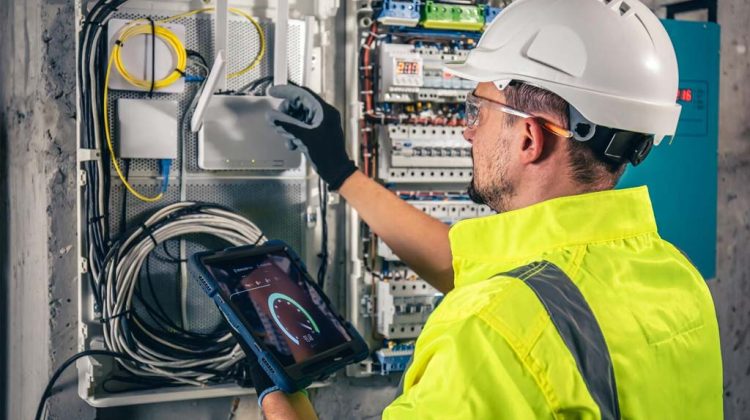
Electrical Safety Tips: Must-Have Guide for Best Home Protection
Electrical Safety Tips: Must-Have Guide for Best Home Protection
Ensuring electrical safety tips in your home is crucial to protect your family, property, and peace of mind. From preventing shocks to avoiding electrical fires, understanding and implementing best practices can make all the difference. This comprehensive guide from Anode Electric, London’s trusted electricians, covers essential steps and expert advice to keep your home safe, compliant, and efficient.
Why Electrical Safety Tips Matter for Home Protection
Every year, thousands of household electrical accidents occur across the UK, often due to preventable causes like faulty wiring, overloaded sockets, or outdated appliances. Electrical safety isn’t just about compliance; it’s about safeguarding your loved ones and property.

Common Electrical Hazards in Homes
– Faulty or damaged wiring
– Overused power outlets and extension leads
– Old or malfunctioning appliances
– Lack of regular electrical inspections
– DIY electrical work without proper knowledge
Addressing these issues early can prevent hazards such as electric shocks, burns, or worse—electrical fires.
Essential Electrical Safety Tips for Every Homeowner
1. Regular Electrical Inspections and Testing
Having your home electrical system checked regularly by a certified electrician helps identify risks before they become dangerous. The UK’s NICEIC recommends periodic inspections, especially if you live in an older property or have recently done electrical work.
– Book an Electrical Installation Condition Report (EICR) every 5 years or sooner for rented properties
– Inspect visible wiring for wear or damage
– Monitor circuit breakers for unusual trips or failures
2. Use Electrical Appliances Correctly
Improper use of appliances is a leading cause of home electrical incidents. Always follow manufacturer guidelines, and:
– Avoid using high-wattage appliances simultaneously on the same circuit
– Don’t leave appliances like kettles or irons unattended while plugged in
– Regularly clean and inspect appliance cables for signs of wear
3. Prevent Overloading Sockets
Socket overload is a frequent ignition source for electrical fires. Use power strips with surge protectors and never daisy-chain extension leads.
– Plug high-power devices directly into wall sockets
– Spread appliance load across different circuits
– Replace damaged or worn sockets immediately
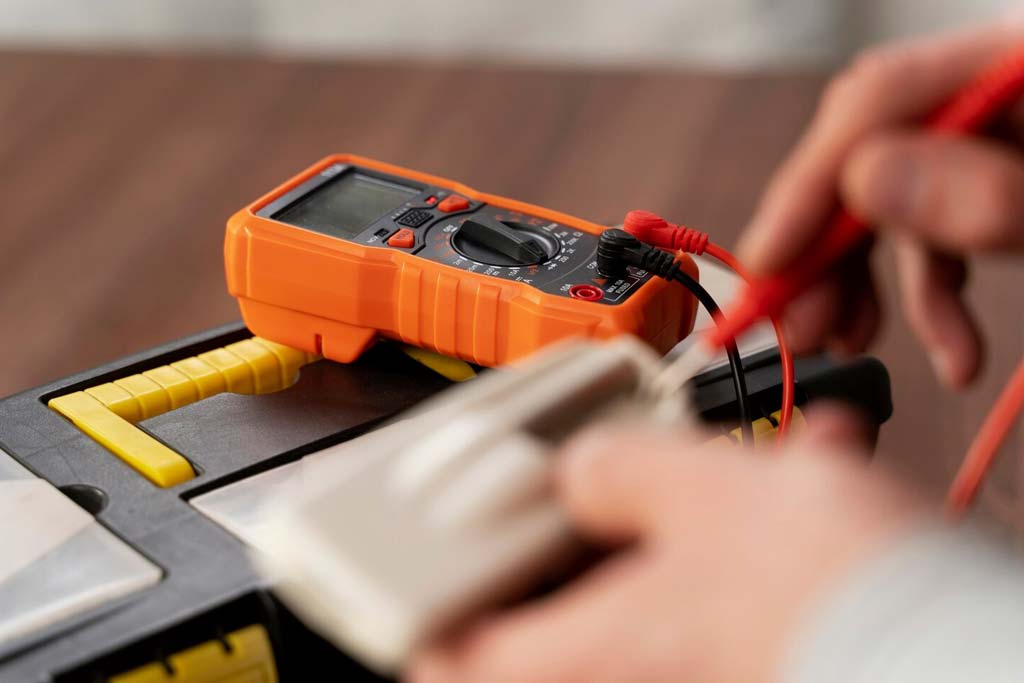
4. Install Residual Current Devices (RCDs)
RCDs are life-saving devices that cut off power quickly during an electrical fault. Modern UK homes should have RCD protection on all circuits, especially those serving wet areas like bathrooms and kitchens.
– Check if your fuse box includes RCDs or upgrade if necessary
– Test RCD devices monthly using the test button
– Consult a professional electrician for installation or repairs
5. Keep Electrical Systems Away from Water
Moisture increases the risk of shock and corrosion in electrical components. Avoid running cables close to water sources, and ensure sockets near sinks and bathrooms are protected.
– Use splash-proof sockets rated for wet environments
– Fix leaking pipes promptly to prevent water damage
– Never handle electrical devices with wet hands
Upgrading Your UK Home’s Electrical Safety: What You Need to Know
Importance of Compliance with UK Electrical Regulations
Compliance with UK wiring regulations (BS 7671) ensures both safety and insurance coverage. Non-compliance can lead to voided insurance claims after incidents.
– Hire only certified electricians for installation and repairs
– Keep records of inspections, upgrades, and certificates
– Familiarise yourself with electrical safety standards from NICEIC and the UK Government’s electrical safety pages

Energy Efficiency Meets Safety
Upgrading to energy-efficient lighting and appliances not only reduces bills but also improves safety by reducing electrical load and heat generation.
– Switch to LED lighting with certified fittings
– Replace old appliances with Energy Star-rated models
– Consider smart home systems to monitor energy use and detect faults
Protecting Children and Vulnerable Individuals
Childproofing your electrical systems helps prevent injuries.
– Install socket covers
– Place appliances out of children’s reach
– Educate household members on electrical safety
Anode Electric: Your Partner in Home Electrical Safety
With years of experience across London and surrounding areas, Anode Electric specialises in residential electrical safety inspections, repairs, and upgrades. Whether you need a safety check or want to install RCDs and surge protection, our team ensures compliant, effective solutions tailored to your home.
– Fully certified electricians—NICEIC registered
– Transparent quotes and no hidden costs
– Rapid response for emergency electrical repairs

Frequently Asked Questions (FAQs)
Q1: How often should I have my home’s electrical system inspected?
A1: It’s advisable to have an Electrical Installation Condition Report (EICR) every 5 years or after any major changes or faults. Rentals require inspections every 5 years or change of tenancy.
Q2: Can I do minor electrical repairs myself?
A2: Only minor work like changing light bulbs is safe for most people. Electrical repairs involving wiring or sockets should always be done by a qualified electrician to comply with UK regulations and ensure safety.
Q3: What are the signs of electrical problems in my home?
A3: Common signs include flickering lights, frequent circuit breaker trips, buzzing sounds from sockets, scorch marks, or burning smells near outlets. If you notice any, call a professional immediately.
Q4: Are RCDs mandatory in UK homes?
A4: Modern homes must have RCD protection on most circuits under current UK wiring regulations to prevent fatal electric shocks and fires.
Q5: How do I childproof electrical outlets safely?
A5: Use socket covers, move appliances away from children’s reach, and educate children about electricity’s dangers. Avoid using makeshift methods that can create hazards.
Call to Action: Secure Your Home’s Electrical Safety Today
Don’t wait for a dangerous fault to occur. Protect your home and family with professional electrical safety inspections and upgrades from Anode Electric.
– Call Us Now: 07494 277353
– Email: info@anodeelectric.co.uk
– Contact Page: https://anodeelectric.co.uk/contact-us/
Invest in the best home protection with Anode Electric—the trusted electricians serving London and surrounding areas.