Consumer Unit Upgrade: Must-Have Tips for Safer Homes
Consumer Unit Upgrade: Must-Have Tips for Safer Homes
A consumer unit upgrade is an essential step for homeowners aiming to enhance electrical safety and improve the efficiency of their home’s electrical system. Whether you live in London, the wider UK, or surrounding areas, understanding when and how to upgrade your consumer unit can protect your property, prevent electrical hazards, and ensure compliance with the latest British Standards. In this article, we’ll guide you through must-have tips for securing a safer home with a reliable consumer unit upgrade.
—
Why a Consumer Unit Upgrade is Crucial for Your Home
Your consumer unit, sometimes called a fuse box or electrical panel, is the heart of your home’s electrical system. It distributes electricity safely to various circuits and provides protection through circuit breakers or fuses. An outdated or faulty consumer unit poses significant risks, including electrical fires and shocks.
Signs You Need a Consumer Unit Upgrade
– Frequent circuit breaker trips
– Use of rewireable fuses instead of modern breakers
– Presence of older UK-style fuses (BS 3036)
– Visible damage, rust, or scorch marks
– Inadequate protection for new electrical appliances or additional circuits
– No Residual Current Device (RCD) or inadequate RCD protection
If you’ve noticed any of these signs, a consumer unit upgrade is likely overdue. Upgrading to a modern unit enhances safety, improves circuit management, and may even lower home insurance premiums.
Understanding Consumer Unit Types and Features
Before scheduling your upgrade, it’s useful to know the types of consumer units available and their key features.
Types of Consumer Units
– Main Switch Consumer Units
These include a main isolator to cut power to the entire home and individual circuit breakers.
– RCD Consumer Units
Incorporate one or more RCDs offering additional protection against earth faults and electric shocks.
– RCBO Consumer Units
Combine the functions of an RCD and circuit breaker for each circuit, allowing more tailored protection.
Essential Features to Look For
– Compliance with BS 7671 (IET Wiring Regulations)
– RCD or RCBO protection for all circuits
– Clear labelling for easy identification
– Modular designs for future upgrades
– Enhanced surge protection options
Must-Have Tips for a Successful Consumer Unit Upgrade
Upgrading your consumer unit is not just about replacing old equipment; it’s about enhancing your entire home’s electrical safety. Here are must-have tips to ensure your upgrade is efficient, safe, and compliant.
Hire a Qualified Electrician
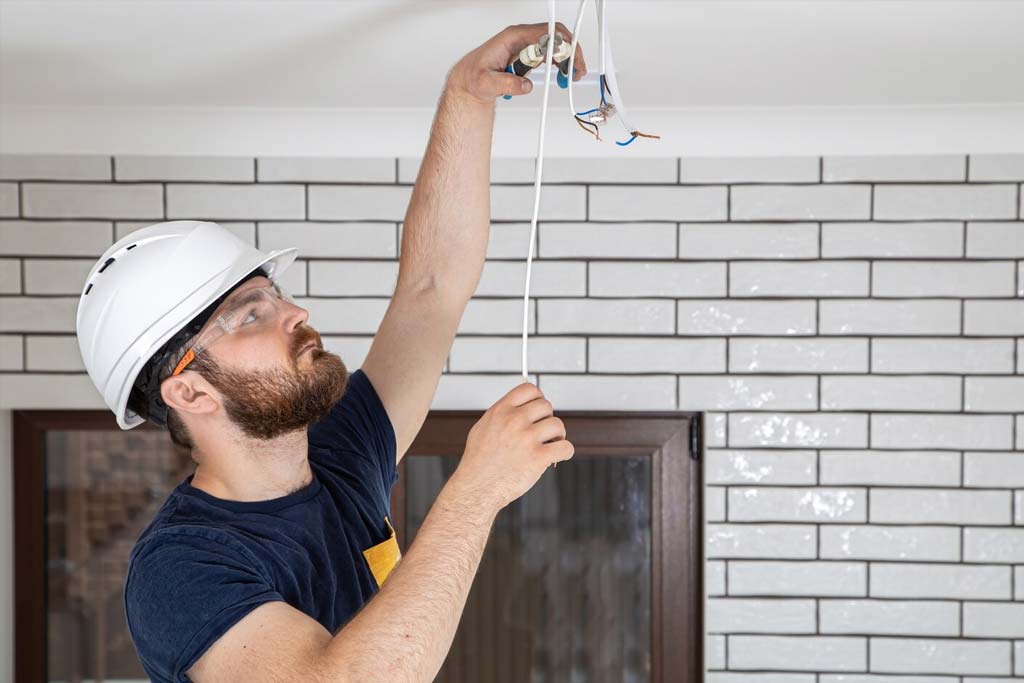
Always use a registered electrician certified by NICEIC or a similar UK-based body. Qualified professionals ensure work is carried out according to the latest regulations, including the 18th Edition of the IET Wiring Regulations.
Assess Your Home’s Electrical Load
Modern homes demand more electricity due to numerous devices and appliances. When upgrading, assess your total load, and future-proof your system by adding spare circuits for expansions like EV charging points or smart home devices.
Include RCD Protection for All Circuits
Residual Current Devices significantly reduce the risk of electric shocks and fires. Modern consumer units provide RCD or RCBO protection for all circuits. This should be a standard inclusion in your upgrade.
Check Your Home’s Earthing and Bonding Systems
Effective earthing ensures fault currents are safely conducted away from appliances and users. Your electrician should assess and, if necessary, upgrade earthing and bonding systems during the upgrade.
How a Consumer Unit Upgrade Enhances Home Safety and Efficiency
Upgrading the consumer unit provides multiple benefits, all contributing to a safer and more efficient home.
Improved Electrical Safety
– Prevents overloads and electrical fires
– Avoids nuisance tripping by modern protective devices
– Enhances shock protection through RCDs
Better Energy Management
– Enables addition of energy-efficient devices
– Supports smart home integration with circuit monitoring
– Facilitates future upgrades like solar PV systems or heat pumps
Compliance and Peace of Mind
– Meets current UK electrical standards (BS 7671)
– Provides valid electrical certification for insurance and resale
– Reduces risks associated with older outdated systems
—
Legal and Regulatory Considerations in the UK
Consumer unit upgrades are subject to strict UK electrical safety regulations. Your installer must ensure compliance with the Building Regulations Part P, requiring electrical work in homes to be safely installed and, in many cases, notified to your local authority.
Planning Your Consumer Unit Upgrade: What to Expect
Understanding the process helps minimise disruption and expedites a smooth upgrade.
Initial Inspection and Quotation
Your electrician will conduct a full inspection, assess your existing consumer unit, and discuss your household’s electrical needs. Following this, you’ll receive a detailed quotation.
Scheduling and Preparation
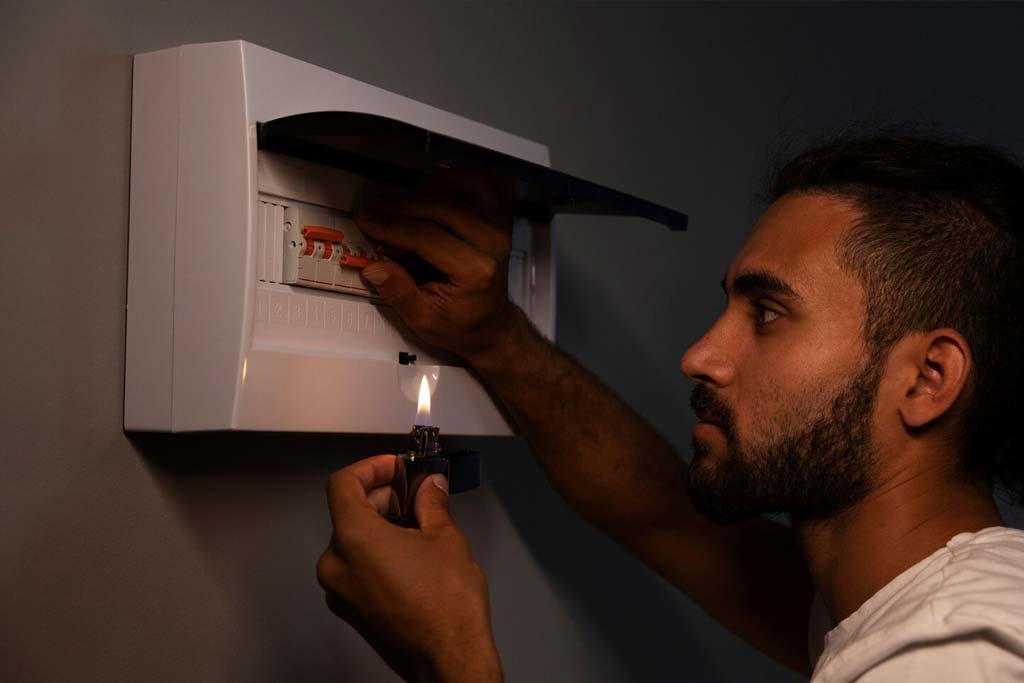
Most upgrades require just one day, but your electrician may need to stop your electricity supply temporarily. Ensure you plan for this and inform household members.
Installation and Testing
The electrician will:
– Remove the old consumer unit safely
– Install the new unit with necessary RCDs or RCBOs
– Label all circuits clearly
– Test all circuits for safety and compliance
Certification
Once complete, you’ll receive an Electrical Installation Certificate or Minor Works Certificate confirming the work meets UK standards.
—
Local and London-Specific Considerations
Living in London or surrounding UK regions means your home may be subject to special electrical demands—especially in older properties or flats with shared electrical systems. Upgrading your consumer unit can:
– Address outdated fuse boxes common in older London homes
– Improve safety in densely populated areas with higher fire risk
– Comply with London’s more rigorous insurance requirements

Call-to-Action: Secure Your Home Today with Anode Electric
Don’t wait until an electrical fault occurs. Upgrade your consumer unit to protect your family and property with the expertise of Anode Electric.
Call Us Now: 07494 277353
Email: info@anodeelectric.co.uk
Contact Page: https://anodeelectric.co.uk/contact-us/
—
Frequently Asked Questions (FAQ)
1. How long does a consumer unit upgrade take?
Typically, a consumer unit upgrade takes between 4 to 8 hours depending on the complexity, and possibly a day if additional rewiring is necessary.
2. Is a consumer unit upgrade covered by home insurance?
Many insurance companies require modern consumer units with proper RCD protection to cover electrical claims. Upgrading improves your policy validity and safety.
3. Can I install a consumer unit upgrade myself?
No. Electrical installations must comply with regulations and should only be performed by qualified electricians registered with bodies like NICEIC.
4. Will upgrading my consumer unit increase my electric bill?
No, but it can improve efficiency and reduce potential faults that waste electricity. Future-proofing can also help integrate energy-saving technologies.
5. What is the cost of a consumer unit upgrade in London?
Costs vary depending on your property size and requirements but typically range between £400 and £900, including parts and labour.
—
Ensuring your consumer unit is modern, compliant, and safe is vital for protecting your London home or property anywhere in the UK. Follow these must-have tips and trust Anode Electric’s experts to deliver a safe, reliable upgrade tailored to your needs.