
A Landlord’s Guide to Electrical Safety Certificates (EICR) in the UK
If you’re a landlord in the UK, ensuring the electrical safety of your property is not just good practice – it’s a legal requirement. One of the most important documents you need is an Electrical Installation Condition Report (EICR). This guide will walk you through what an EICR is and why it’s essential for every landlord.
What is an EICR?
An EICR, often referred to as an Electrical Safety Certificate, is a formal report produced following a comprehensive inspection of a property’s electrical installation. A qualified electrician carries out the inspection to ensure that the wiring, sockets, light fittings, and fuse box are safe and meet the current standards.
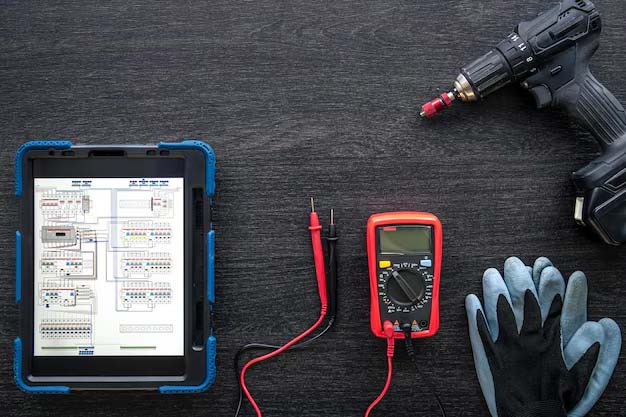
Is an EICR a Legal Requirement for Landlords?
Yes. As of 1st April 2021, it is a legal requirement for all landlords in the private rented sector in England to have a valid EICR for their properties. The regulations state that landlords must:
- Have the electrical installation in their rental properties inspected and tested by a qualified person at least every five years.
- Provide a copy of the EICR to their tenants, and to the local authority if requested.
- Carry out any remedial work or further investigation recommended in the report.

What Does an EICR Inspection Involve?
During an EICR inspection, a qualified electrician will check for:
- Any potential fire hazards or electric shock risks.
- Any defective electrical work.
- A lack of earthing or bonding.
- Overloaded electrical circuits or equipment.
The report will classify any identified issues using codes:
- C1 (Danger present): Risk of injury. Immediate remedial action is required.
- C2 (Potentially dangerous): Urgent remedial action required.
- C3 (Improvement recommended): While not dangerous, this suggests improvements to enhance the safety of the installation.
What Happens After the Inspection?
If the EICR is ‘satisfactory’, you have fulfilled your legal duty until the next inspection is due. If the report is ‘unsatisfactory’ and lists C1 or C2 faults, you must complete the necessary remedial work within 28 days, or a shorter period if specified in the report.

Choosing a Qualified Electrician
It is crucial to use a qualified and competent electrician to carry out your EICR. Look for an electrician who is registered with a government-approved scheme, such as NICEIC. This ensures that they have the necessary skills and qualifications to perform the inspection thoroughly and safely.
At Anode Electric, our NICEIC-approved electricians in London are experienced in carrying out EICRs for landlords. Contact us today to book an inspection and ensure your property is safe and compliant.