What is an EICR Report?
An EICR Certificate is issued following a comprehensive assessment of an electrical installation. It identifies any electrical damage, deterioration, defects, or potentially hazardous conditions. The frequency of obtaining EICRs varies depending on the type of property. For rental properties, EICR Testing is typically conducted every five years or at the commencement of a new tenancy. It is essential that an EICR is carried out solely by a qualified electrician.
While obtaining an EICR report is not a legal requirement for all property owners, it is highly recommended. Landlords can protect themselves from prosecution should a tenant suffer harm due to faulty electrics in their property by having an Electrical Installation Condition Report. Homeowners can gain peace of mind knowing that their home’s electrical system complies with current safety standards, ensuring the safety of themselves and their families.
Who Can Issue a Report?
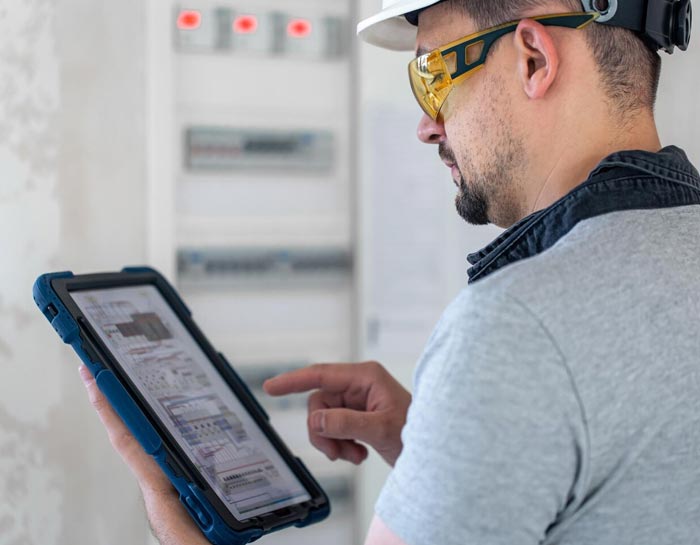
Guidelines stipulate that an EICR must be conducted by a competent and qualified individual. A qualified electrician must have completed the necessary courses and training covering periodic testing and inspection of electrical installations. Additionally, they must be registered with recognised scheme providers to ensure compliance with the latest safety standards in the field (IET 18th Edition).
We recommend verifying the contractor’s approved scheme and certification credentials. In the UK, the most widely recognised accreditation bodies include NICEIC, Stroma, Napit, and Elecsa.
Can I Self-Certify My Properties?
If you possess the qualifications to inspect installations according to the 18th Edition of the Wiring Regulations and can provide a comprehensive report, you may self-certify your properties. However, it is crucial to ensure that you meet all regulatory requirements and maintain up-to-date knowledge of safety standards.
What Does an EICR Check?
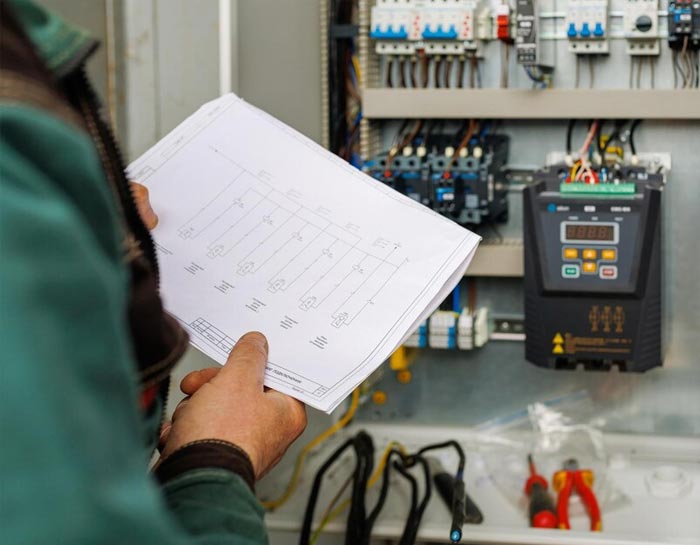
The EICR inspection aims to identify any significant issues within a property’s electrical systems. The inspection involves a visual examination of the electrical installations and thorough testing of relevant components, including both interior elements (such as main system cables and electrical distribution boards) and exterior fixtures (like light fittings, switches, and sockets). The tests conducted include:
Visual Inspection
Dead Testing
Live Testing
RCD Testing
Please note that these tests require the power to be temporarily switched off. The duration of the inspection depends on factors such as the size and age of the property, the complexity of the electrical systems, the number of circuits, and whether any serious issues are identified during the inspection.
Visual Inspection
During the visual inspection, the electrician assesses the property and its electrical systems to identify any obvious issues that may pose safety risks.
Dead Testing
Dead Testing comprises three parts:
- 1. Insulation Resistance Testing : Checks for faulty electric connectors and ensures that insulation is present and functioning to prevent potential system shocks.
- 2. Continuity Testing : Verifies that all electrical connections are secure and properly connected.
- 3. Polarity Testing : Ensures that all connections are correctly oriented.
These tests help in identifying any defects that could lead to electrical hazards.
Live Testing
Live Testing ensures that the electrical system can quickly shut down in the event of a major problem or emergency, preventing dangerous situations and further damage.
RCD Testing
RCD Testing is performed on more modern electrical systems equipped with Residual-Current Devices, which are crucial for fire prevention.
FAQs
Frequently Asked Questions Regarding a Domestic Electrical Installation Condition Report
It is now a legal requirement for landlords (both domestic and commercial) to have their electrical installations inspected and tested at least every five years or when there is a change in occupancy.
For private properties, it is recommended to obtain an EICR every ten years. However, landlords are mandated to have the installation inspected and tested at least every five years or more frequently if the most recent safety report indicates the need for it.
An NICEIC accredited approved contractor, or someone approved by another electrical regulatory body at a similar or higher level, can perform an EICR. You can verify their accreditation on the Electrical Safety Register.
The electrician will conduct a visual assessment followed by a series of checks on your electrical systems. Any ‘Code 1’ issues (immediately dangerous) must be rectified on the spot or made safe. ‘Code 2’ issues (potentially dangerous) will be noted, and a quote will be provided for their resolution after the inspection. ‘Code 3’ issues (not deemed unsafe) will also be recorded and quoted for if necessary.
The duration of an EICR varies depending on the property. A thorough visual inspection can take up to an hour, and completing the certificate may require an additional hour. Larger or more complex properties may take longer to inspect.
- Power Off: Be aware that the electrician will need to turn off the power before working on the wiring. Ensure that this does not disrupt essential electrical appliances.
- Clear Access: Ensure that all lights, sockets, and switches are easily accessible by clearing areas where the electrician will work.
- Allow Time: Understand that providing a quote for remedial work may take up to 48 hours after the inspection, especially for extensive repairs requiring additional visits.
As a landlord, you have a duty of care to your tenants to ensure that the electrical installations are safe when they move in and are maintained in a safe condition throughout their tenancy. The Landlords and Tenants Act (1985) mandates that:
- Electrical installations are safe at the start of a tenancy.
- Electrical installations are maintained safely throughout the tenancy.
To comply, we recommend having a registered electrician conduct an Electrical Condition Report (EICR) on any property you intend to let. This report will certify the safety of the electrics and identify any necessary upgrades.
We accept card payments only. Cash payments are not accepted.
If your EICR report rates the electrics as ‘unsatisfactory’, regulations require the landlord to undertake further investigative or remedial work by a qualified person within 28 days, or sooner if specified in the report. Unsatisfactory codes on the EICR report include:
- C1 Danger Present: Immediate remedial action required.
- C2 Potentially Dangerous: Urgent remedial action required.
- F1 Further Investigation Required